
 Travel
January 14, 202611 min
What to do in Japan? The 20 most beautiful places to visit
Discover the 20 must-see places to visit for a memorable trip to Japan in 2026: from Tokyo to Okinawa, via Kyoto and Mount Fuji.

Are you planning a trip to Japan and wondering which month to choose? Good news: there's no wrong answer, only periods that match (or don't match) what you want to experience. The land of the rising sun literally changes its face every season.

In this article, we'll go over the 4 seasons, the periods to avoid, the ideal month based on your budget, and a month-by-month table to help you decide at a glance.

SOUTH KOREA
active
20 Go
remaining
Operator
SKTelecom, LGU+
Expires
In 3d • Jun 12
Top up

THAILAND
active
20 Go
remaining
Operator
AIS
Expires
In 3d • Jun 12
Top up

JAPAN
active
20 Go
remaining
Operator
NTT docomo
Expires
In 3d • Jun 12
Top up
No blocked apps
Tethering enabled
24/7 customer support
No blocked apps
Tethering enabled
24/7 customer support
Travel abroad with confidence: no more roaming fees, connection struggles, or unexpected top-ups. With a travel-friendly eSIM, stay connected everywhere, stress-free and surprise-free.
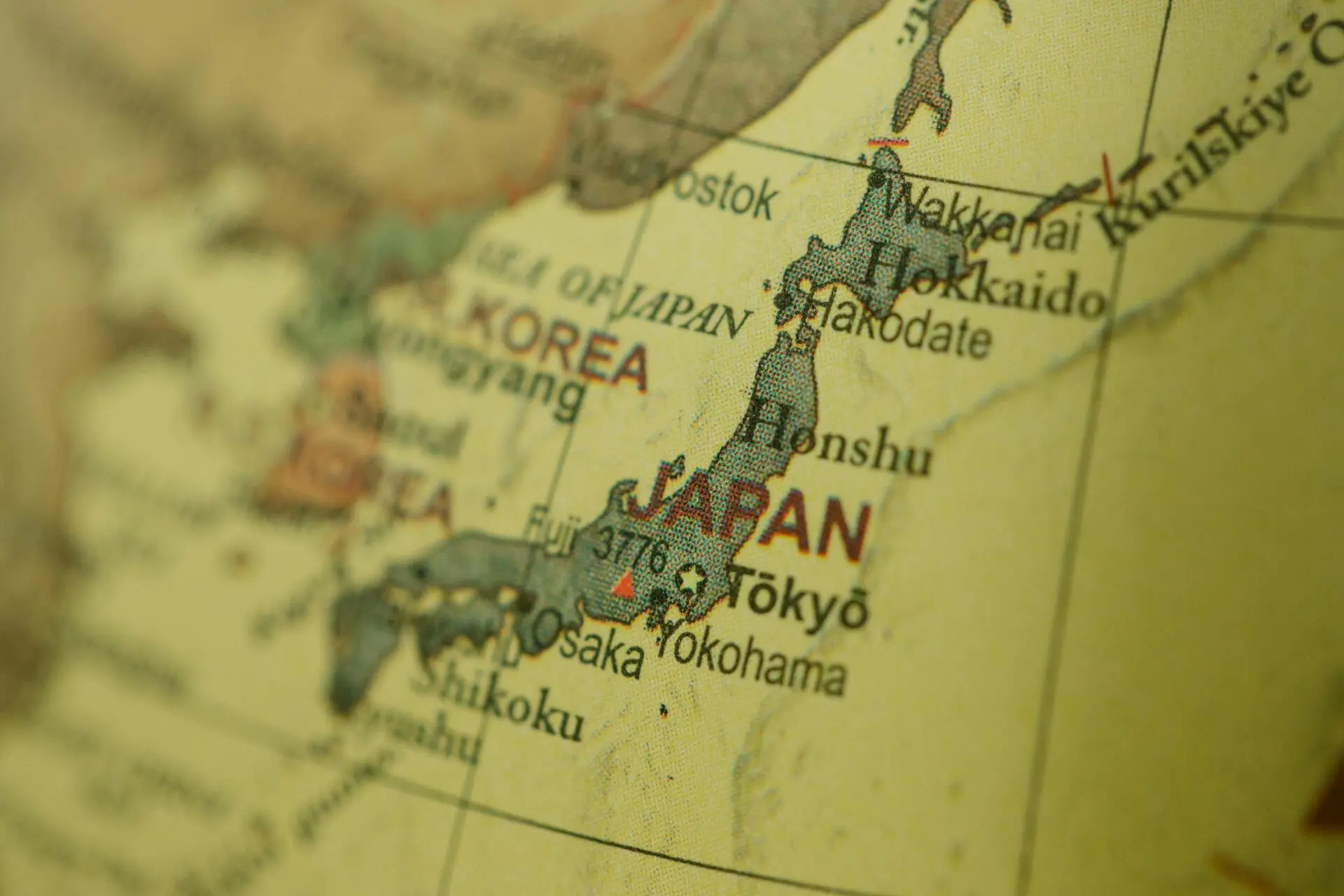
Japan is an archipelago stretching over 3,000 km from north to south, between the Sea of Japan and the vast Pacific Ocean. As a result: the climate varies immensely depending on the region. Hokkaido, the large northern island, experiences long and snowy winters, while Okinawa, all the way in the south, enjoys a subtropical climate with warm seawater for most of the year. In between, Honshu (the main island containing Tokyo, Kyoto, and Osaka) follows a temperate climate with four distinct seasons.
| Season | When | Weather in Tokyo | Crowd density | Who is it for? |
|---|---|---|---|---|
| Spring | March to May | mild, 10 to 21 °C | very strong (sakura) | first trip, photo, culture |
| Summer | June to August | hot and humid, 24 to 35 °C | high (school holidays) | festivals, hiking, Mount Fuji |
| Autumn | September to November | pleasant, 50 to 75 °F | moderate to high | landscapes, temples, outdoors |
| Winter | December to February | cold but dry, 2 to 10 °C | low (except for skiing) | tight budget, skiing, onsen |
Every season has its own perks. Let's look at them in detail, along with our tips for every type of traveler, to help you discover Japan in the best possible conditions and choose the right time for your trip.
Spring in Japan, from March to May, is like a postcard: the cherry blossom season (the famous sakura), hanami picnics in the parks, mild temperatures, and often clear skies. It's the most sought-after period for travelers from all over the world, and therefore the most expensive time of the year.
Important point: the blooming moves from south to north across the archipelago. It starts in late March or early April in Tokyo, Kyoto, and Osaka, then reaches Hokkaido in early May. In each city, the peak only lasts 7 to 10 days. If seeing the cherry blossoms in bloom is your priority, keep an eye on the Japan Meteorological Agency forecasts starting in February to set your dates.
👉 The trick to avoiding the crowds: aim for the plum blossom (ume) season from late February to early March. The view is almost as beautiful, the blooming lasts longer, and hotel prices stay reasonable. Savvy travelers from the Routard forum are increasingly recommending this window.
The month of May (after Golden Week) is also an excellent option: superb weather, vibrant greenery, and decreasing crowds.
Autumn in Japan, from September to November, is a serious rival to spring. Many regular travelers even prefer it: the weather is stable, days are sunny, humidity drops, and Japanese maples turn red and gold. It's the momiji, the autumnal equivalent of sakura.
The foliage calendar follows the reverse path of the cherry blossoms: colors first appear in northern Japan (Hokkaido, Tohoku) in early October, then move to southern lands as temperatures drop. In Japan during autumn, in both Tokyo and Kyoto, the peak maple season takes place from late November to early December, often lasting until the end of the month. Field contributors actually suggest aiming for late November rather than the beginning of the month to be sure you catch the most beautiful colors.
Watch out for one detail: September stays hot and marks the end of the typhoon season, especially on the Pacific coast and in Okinawa. October and November are the golden window: perfect conditions to visit the temples of Kyoto or Nara, hike in the Japanese Alps or on Shikoku island, and enjoy the great outdoors. To prepare for that month in detail, with city-by-city temperatures, festivals, and the best places to see the autumn colors, read our article on Japan in October.
Let's be honest: summer isn't the most comfortable time to travel to Japan. From June to mid-July, the rainy season (tsuyu) brings frequent precipitation and high humidity across most of the country. After that, July and August are hot and humid, with temperatures regularly climbing above 35 °C in Tokyo, Osaka, and Kyoto. August also marks the return of typhoon risks.
But summer has two big selling points:
Another smart option in summer: head north. Hokkaido largely escapes the rainy season and offers ideal conditions for hiking and road trips. Mountainous regions like the Japanese Alps also stay cooler.
SOUTH KOREA
active
20 Go
remaining
Operator
SKTelecom, LGU+
Expires
In 3d • Jun 12
Top up
THAILAND
active
20 Go
remaining
Operator
AIS
Expires
In 3d • Jun 12
Top up
JAPAN
active
20 Go
remaining
Operator
NTT docomo
Expires
In 3d • Jun 12
Top up
No blocked apps
Tethering enabled
24/7 customer support
No blocked apps
Tethering enabled
24/7 customer support
Travel abroad with confidence: no more roaming fees, connection struggles, or unexpected top-ups. With a travel-friendly eSIM, stay connected everywhere, stress-free and surprise-free.
Winter in Japan, from December to February, is cold but often dry and sunny on the Pacific coast. In Tokyo, temperatures range from 2 to 10 °C in January, with very little rain. In the north and on the Sea of Japan coast, it's a different story: winds coming from Siberia dump massive snowfall on Hokkaido and the mountains.
And that's exactly what makes the season so charming:
The icing on the cake: outside of ski resorts and holiday festivities, winter is the least touristy season. Quiet temples, almost empty sites, and a perfectly visible Mount Fuji in the clear February sky.
This is the point that French travel agencies carefully avoid mentioning. We don't have a tour package to sell you, so we're just going to give it to you straight. Three periods concentrate the crowds and high prices:
More of a nuance than a reason to avoid: the rainy season (June to mid-July). It doesn't rain non-stop, the gardens are magnificent under a light drizzle, and prices drop. It's an acceptable compromise if you're flexible.
If your budget is your top priority, the answer is clear: January and February are the cheapest months for a trip to Japan. Japan in January, right after the holidays, shows the lowest average prices of the year. Flights from France and hotels show their lowest rates of the year, and tourist crowds are minimal. November (except for the momiji peak in certain cities) and June also offer great value for money.
On the other hand, the average price of a trip skyrockets during high season: cherry blossom season (late March to mid-April), Golden Week, and Obon in August. During these windows, an equivalent hotel can cost twice as much, and flights fill up months in advance.
In summary, regarding your budget:
To estimate your full budget item by item (flights, hotels, transport, food), we've detailed everything in our dedicated article on the budget for a trip to Japan in 2026.
| Month | Weather in Tokyo | Crowds | Don't miss out | Verdict |
|---|---|---|---|---|
| January | cold, dry, 2 to 10 °C | low | Hatsumode, skiing, snow monkeys | 👍 small budget |
| February | cold, sunny | low | Sapporo Snow Festival, ume | 👍 small budget, skiing |
| March | soft, first sakura | on the rise | beginning of the bloom | 👍 magical late March |
| April | mild, 10 to 20 °C | maximum | hanami, full bloom | ⚠️ gorgeous but crowded |
| May | soft and sunny | strong then calm | Golden Week (avoid it), greenery | 👍 after May 6th |
| June | rain, humidity | moderate | tsuyu, gardens and mosses of Kyoto | 😐 budget compromise |
| July | hot and humid | strong | Gion Matsuri, opening of Mount Fuji | 😐 for festivals |
| August | very hot, typhoons | maximum (Obon) | fireworks, matsuri | ⚠️ heat + crowds |
| September | hot, end of typhoons | moderate | harvests, sea still warm | 😐 transition |
| October | pleasant, 15 to 22 °C | moderate | momiji in the north, hiking | 👍 excellent |
| November | soft, dry | strong in Kyoto | peak of the momiji, red maples | 👍 the ideal month for many |
| December | cold, dry | low then high | illuminations, start of the ski season | 👍 early December |
Once you've decided on your destination and dates, here are our tips and the habits that make all the difference, especially during peak season:
With voilà's Japan eSIM, you get a data plan on the NTT Docomo network (the best coverage in the country) starting at $1.30 for 1GB valid for 7 days, and up to 50GB valid for 30 days for $31.40. The price shown is the final price, with no subscription or hidden fees, tethering included, and no blocked apps. Whatever season you choose, your connection is set up in 2 minutes.
And to find itinerary ideas for Japan, Tokyo and beyond, check out our 20 must-visit places in Japan and our article on how to properly prepare your trip to Japan in 2026.
There isn't just one right answer to "when to go to Japan," but there is a right answer for you, depending on what you're looking for. Every season offers a unique experience for both first-timers and regulars. Sakura and your first trip: late March to early April. Best compromise between weather, crowds, and prices: October to November. Tight budget: January to February. Skiing and onsen: mid-winter. Festivals: mid-summer. The only real mistake is accidentally landing in the middle of Golden Week or Obon without knowing it.
No matter when you travel, prepare your trip in advance, book your accommodations early, and travel with peace of mind: with your voilà eSIM installed before takeoff, you'll be connected from the moment you land, from the first cherry blossom to the last onsen. 🇯🇵
SOUTH KOREA
active
20 Go
remaining
Operator
SKTelecom, LGU+
Expires
In 3d • Jun 12
Top up
THAILAND
active
20 Go
remaining
Operator
AIS
Expires
In 3d • Jun 12
Top up
JAPAN
active
20 Go
remaining
Operator
NTT docomo
Expires
In 3d • Jun 12
Top up
No blocked apps
Tethering enabled
24/7 customer support
No blocked apps
Tethering enabled
24/7 customer support
Travel abroad with confidence: no more roaming fees, connection struggles, or unexpected top-ups. With a travel-friendly eSIM, stay connected everywhere, stress-free and surprise-free.
Rony is our in-house travel-connected expert. Always curious and never too far from an airport, he explores the latest destinations while testing the newest eSIM solutions. He signs our articles on travel and mobile technology, with a single mission: to turn his discoveries into clear, reliable, and smart advice to accompany you anywhere in the world.
See all articlesTravelDiscover the 20 must-see places to visit for a memorable trip to Japan in 2026: from Tokyo to Okinawa, via Kyoto and Mount Fuji.
 Travel
Japan trip cost in 2026: flights, accommodation, food, transportation, activities and internet, with a real 14-day budget and verified prices.
 Travel
Are you planning to go to Japan? Would you like to know how to prepare for your trip to Japan? You've come to the right place—we'll explain EVERYTHING!